
Introduction
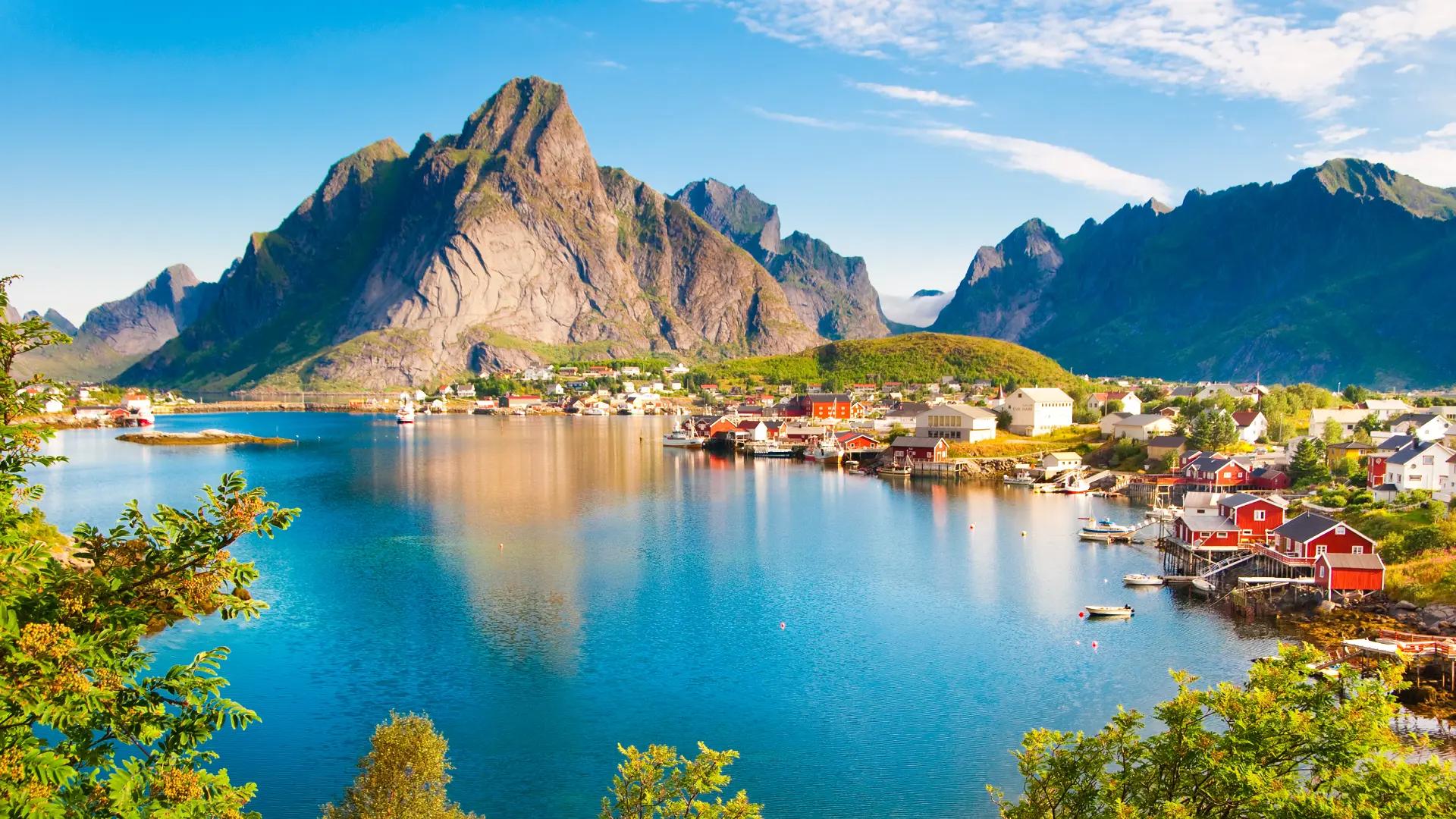
The Lofoten Islands lie far above the Arctic Circle, yet they are easier to explore than their dramatic landscape might suggest. Sharp peaks rise straight from the sea, villages follow the coastline, and many outdoor activities start close to the road. That combination makes Lofoten a good fit for travelers who want to spend most of their time outdoors rather than constantly moving between distant sights.
Days here rarely revolve around a single highlight. Most trips settle into a steady rhythm of short hikes, coastal walks, village stops, and time near the water. It is easy to adjust when the weather shifts or plans change halfway through the day.
This article highlights outdoor activities that shape a trip to the Lofoten Islands and shows how they can be combined flexibly to create a realistic travel plan. The aim is not to list everything available, but to show how different activities fit together for adaptable itineraries.
If you’re interested in the practical side of getting to the Lofoten Islands, our travel guide covers the main options.
Scenic Walking and Short Hikes
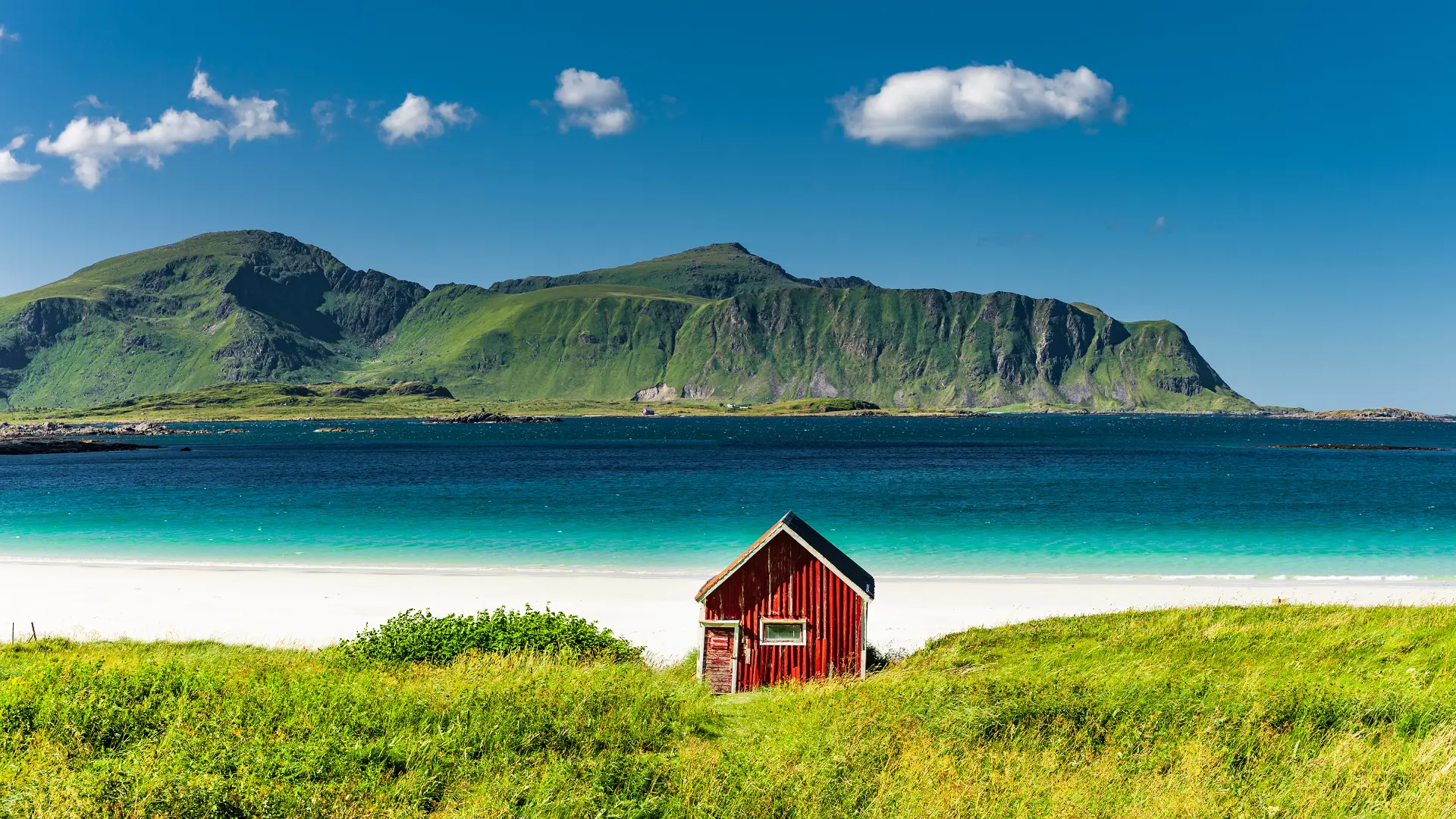
For many visitors, outdoor time in the Lofoten Islands begins close to the road. Coastal paths, short trails, and open viewpoints are scattered across the islands, making it easy to step straight into the landscape without committing to long or demanding hikes. In many places, a short walk is enough.
These low-effort activities fit naturally into a typical day. Stops along the coast, brief walks toward the water, or short trails leading to ridges or beaches often happen between drives or village visits. Distances are manageable, and routes are usually clear enough to follow without much planning.
Short walks are especially useful when conditions are uncertain. They make it easier to stay flexible, whether that means taking advantage of calm weather or staying low when wind or visibility limits access to higher ground. For many travelers, these walks become routine rather than a fallback.
Day Hikes and Moderate Mountain Routes
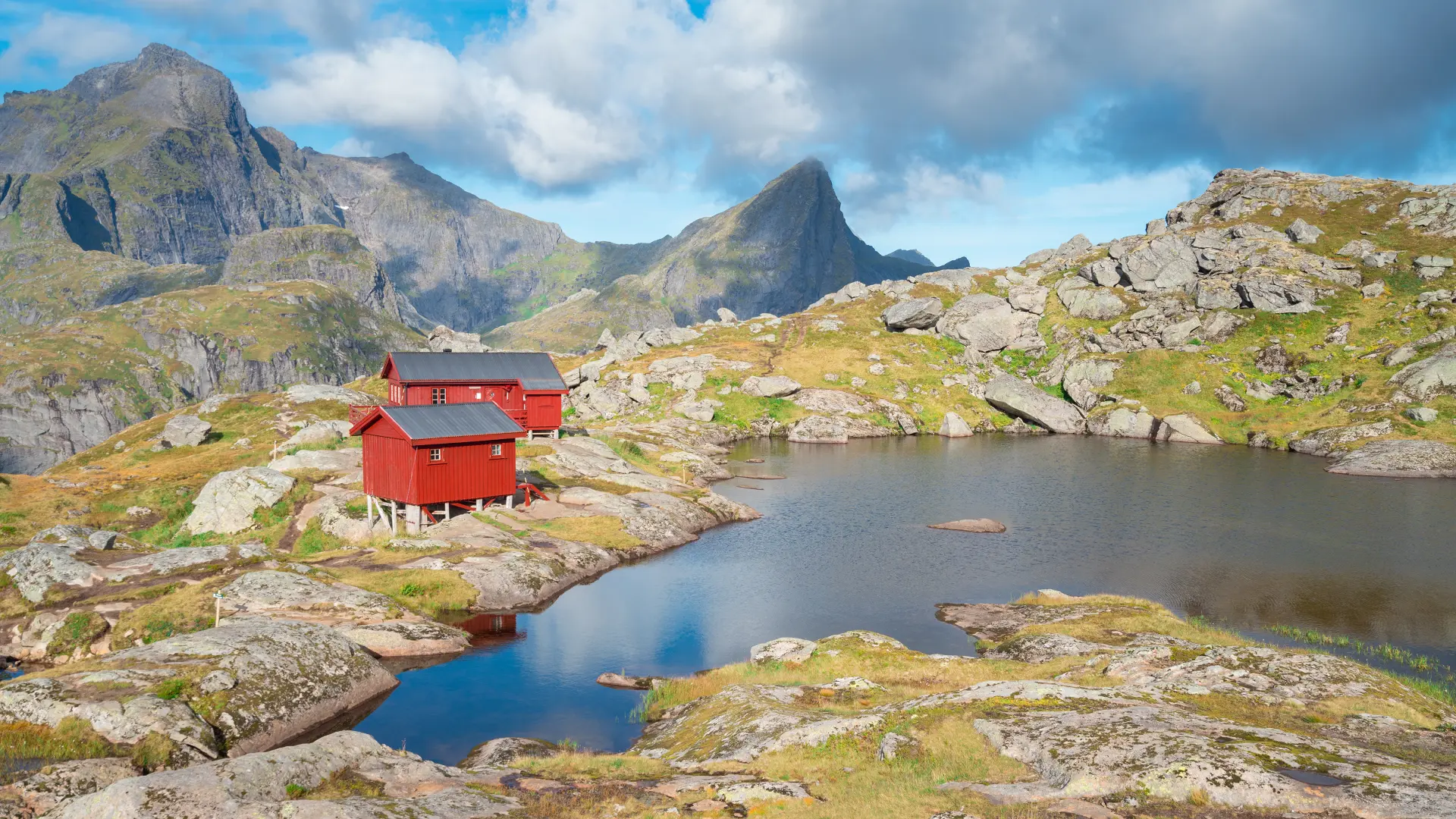
As effort increases, hiking becomes a central part of experiencing Lofoten. Day hikes are often short in distance but steep, with clear rewards in the form of open views, ridgelines, and coastal perspectives. Many of the best-known routes still fit comfortably into half a day.
Hikes such as Reinebringen, Offersøykammen, and Ryten are popular because they are accessible, not because they are easy. Exposure increases quickly, weather can change fast, and good footwear matters. Checking forecasts and trail conditions is essential for responsible hiking and flexible planning.
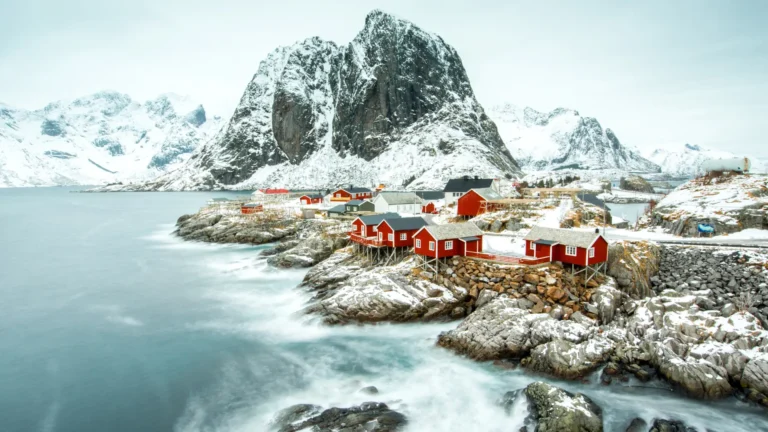
In summer, long daylight hours make timing more forgiving and allow hikes to be combined easily with other activities. In winter, as well as in spring and autumn, shorter days and more variable weather call for a more cautious approach, especially on exposed terrain. Adjusting plans to the season makes a noticeable difference.
Longer Hikes and Demanding Routes
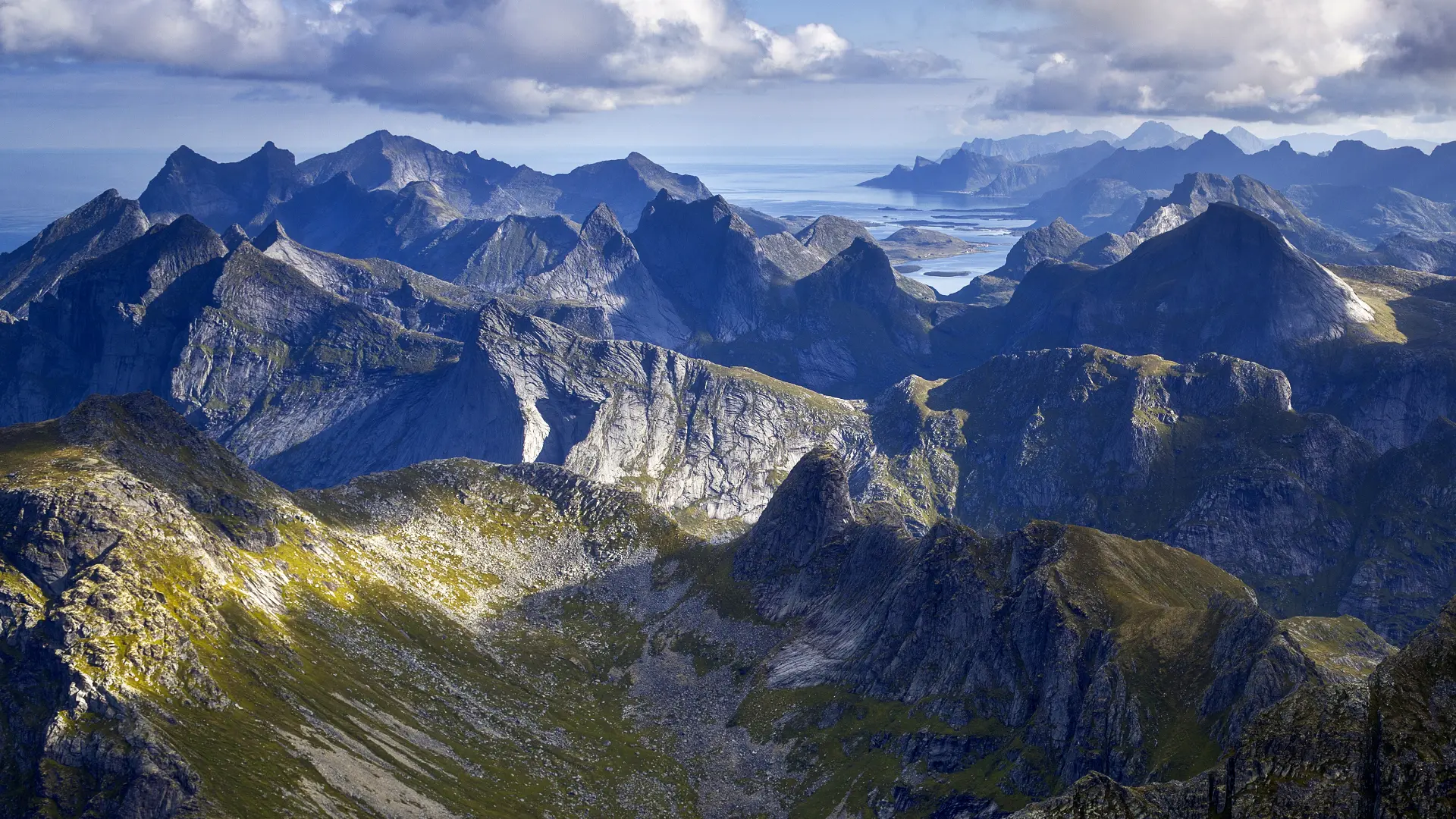
For those comfortable with sustained effort and exposed terrain, longer, more demanding hikes in Lofoten offer a more profound sense of space and challenge. These routes are usually quieter and more physically demanding, with expansive views across ridges, fjords, and the open sea.
Routes such as Hermannsdalstinden, Volandstinden, and longer ridge walks in less-visited areas require more planning than the headline hikes. Distances may still be moderate, but steep climbs, uneven ground, and limited shelter mean that energy levels and weather deserve close attention. Turning back is sometimes the right call, even on routes that look straightforward on a map.
For many travelers, this level of hiking becomes a defining part of a Lofoten trip. For a deeper look at choosing hikes that match experience and conditions, see our article on hiking in the Lofoten Islands.
Villages, Coastal Roads, and Time Between Activities
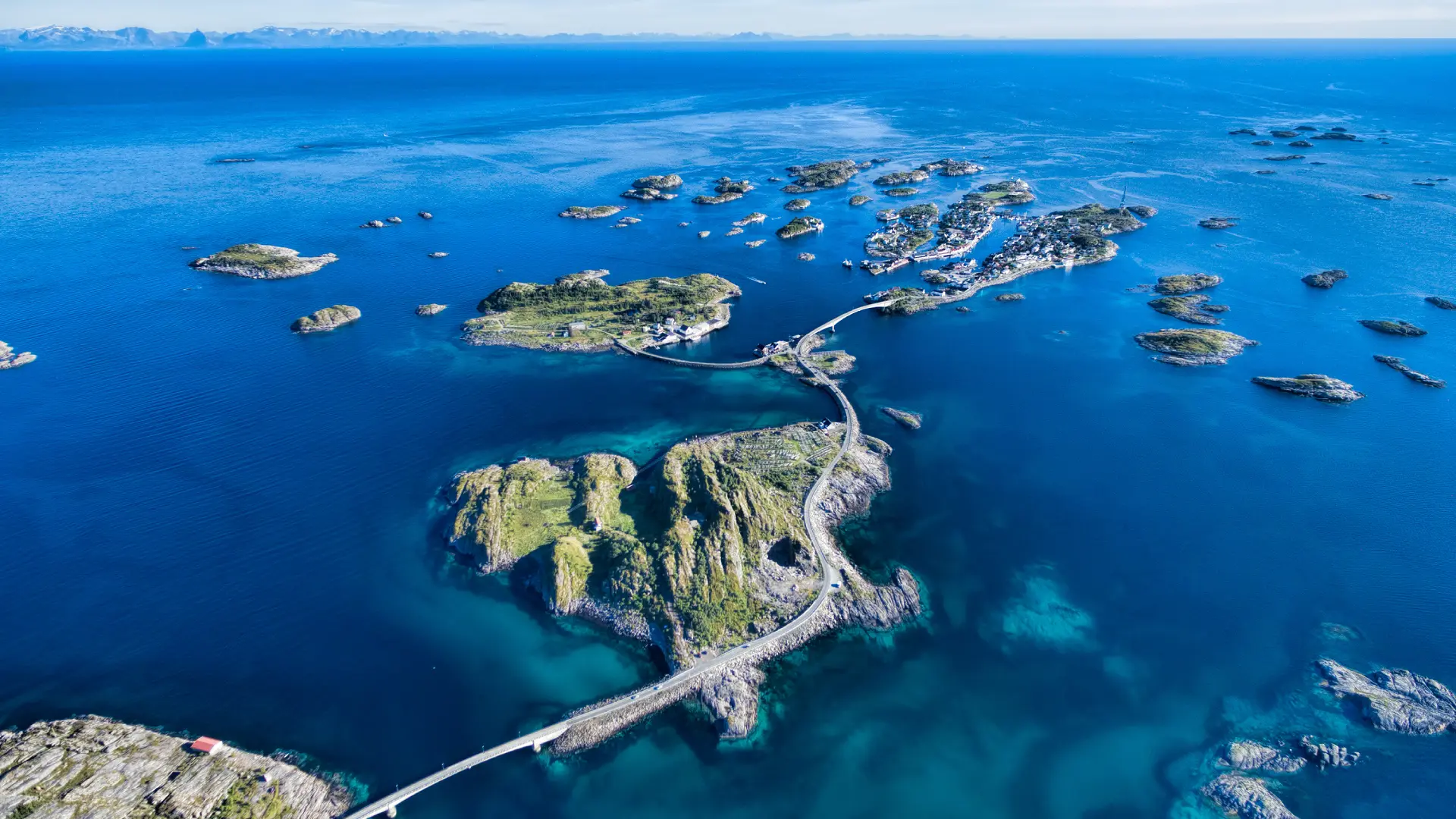
Time spent in villages is not a pause in the outdoor experience. In Lofoten, it is part of the experience. Settlements such as Reine, Henningsvær, and smaller fishing villages sit directly within the landscape, often framed by mountains, beaches, and open water. Moving through them still means being outside, just at a slower pace.
Driving becomes an activity in its own right. Coastal roads connect the islands over short distances, but the scenery changes constantly. Stops often happen without planning, whether to walk along the shoreline, explore a harbor, or spend time by the water. This fits naturally between hikes or on days when higher ground feels less appealing.
Villages also work well as recovery days. After more demanding hikes, they offer a way to stay active without physical strain. Short walks, time by the sea, and unstructured exploration help balance effort across a multi-day stay.
Water-Based Activities and Time on the Coast
Water-based activities are less central to most trips but offer a different way to experience the Lofoten Islands. Kayaking, boat trips, and time spent near the shoreline shift the focus from elevation to scale and distance, highlighting the close connection between the sea and the mountains.
Kayaking is most common in summer, when conditions are calmer, and access is easier. Guided trips are often the most practical option, particularly for visitors unfamiliar with tides and local weather. Boat trips, including short excursions and fishing-related outings, work best on calm days.
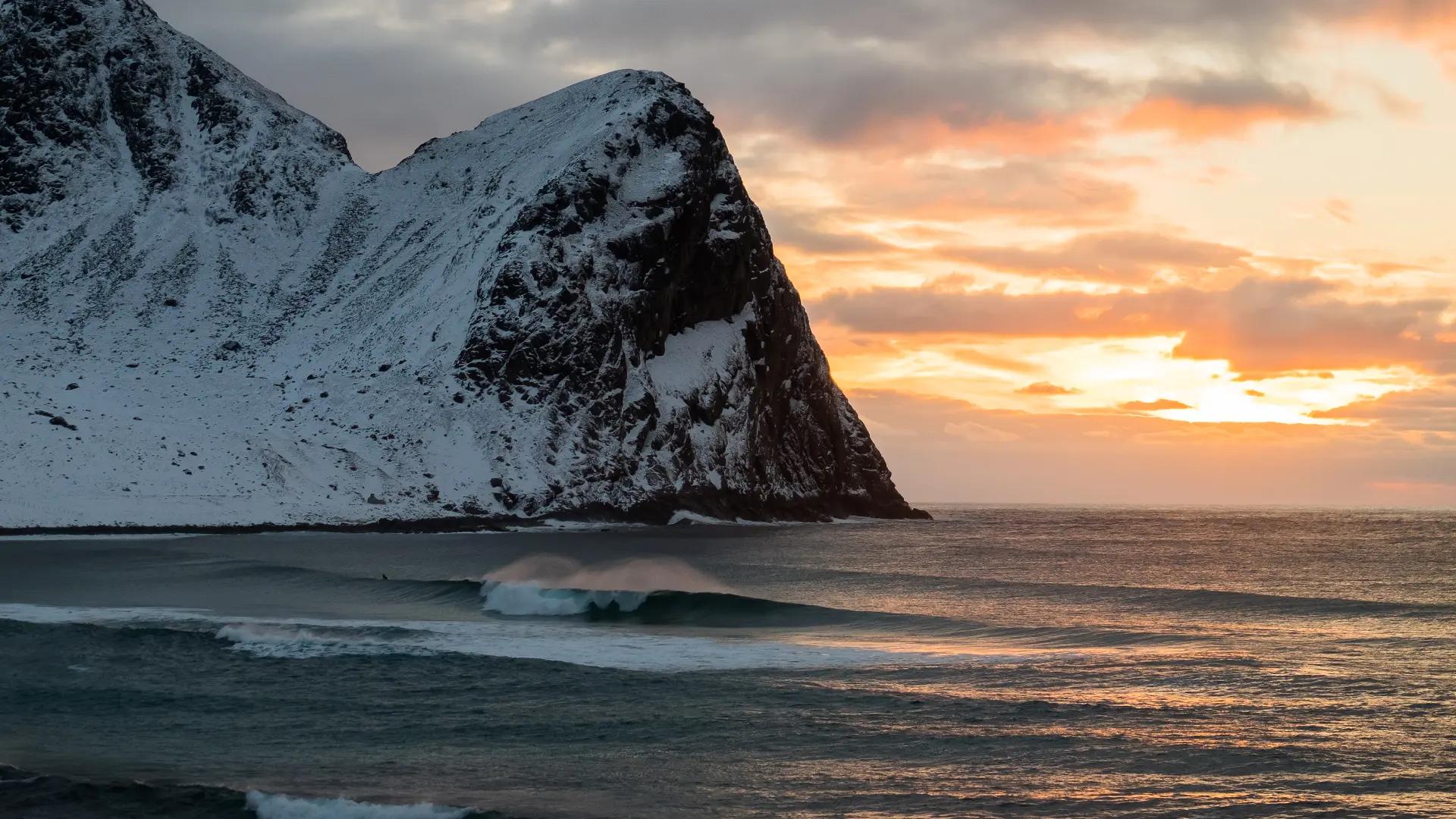
Surfing is more specialized, but well-established in Lofoten. As cold-water wetsuit technology improved in the late 1990s, surfing became viable this far north. Today, a small but active surf scene exists, supported by surf accommodation, cafés, rental shops, and certified instructors. The primary season runs from autumn through spring, when stronger swells from the Norwegian Sea attract experienced surfers looking for powerful waves and fewer crowds.
Summer conditions are different. Swells are generally smaller, water temperatures are higher, and long daylight hours make this the most approachable time for beginners. The Midnight Sun allows flexible timing, including late-night or overnight sessions, which gives summer surfing its own character.
Overall, water-based activities work best as optional additions rather than essential experiences. When conditions line up, they add contrast and variety to time spent on land without changing the overall structure of a trip.
In Summary
The outdoor experience in the Lofoten Islands works best when you choose activities with flexibility in mind. Short walks, village time, and scenic driving form a reliable base and account for many of the most rewarding things to do in the Lofoten Islands. You can then add hiking and longer routes when conditions and energy allow.
Time available shapes the experience. Three days is enough to combine easy walks, village exploration, and one or two short hikes. With five to seven days, it becomes easier to include moderate mountain routes and quieter areas without rushing. Alternating effort with easier days leads to a better experience than trying to fill every day with a major objective.
Summer favors longer hikes and extended days outdoors, while the rest of the year tends to focus more on lower-elevation activities and time near the coast. On dark and clear nights, the northern lights can sometimes be seen overhead, adding a visual dimension to time spent outdoors.