
Introduction
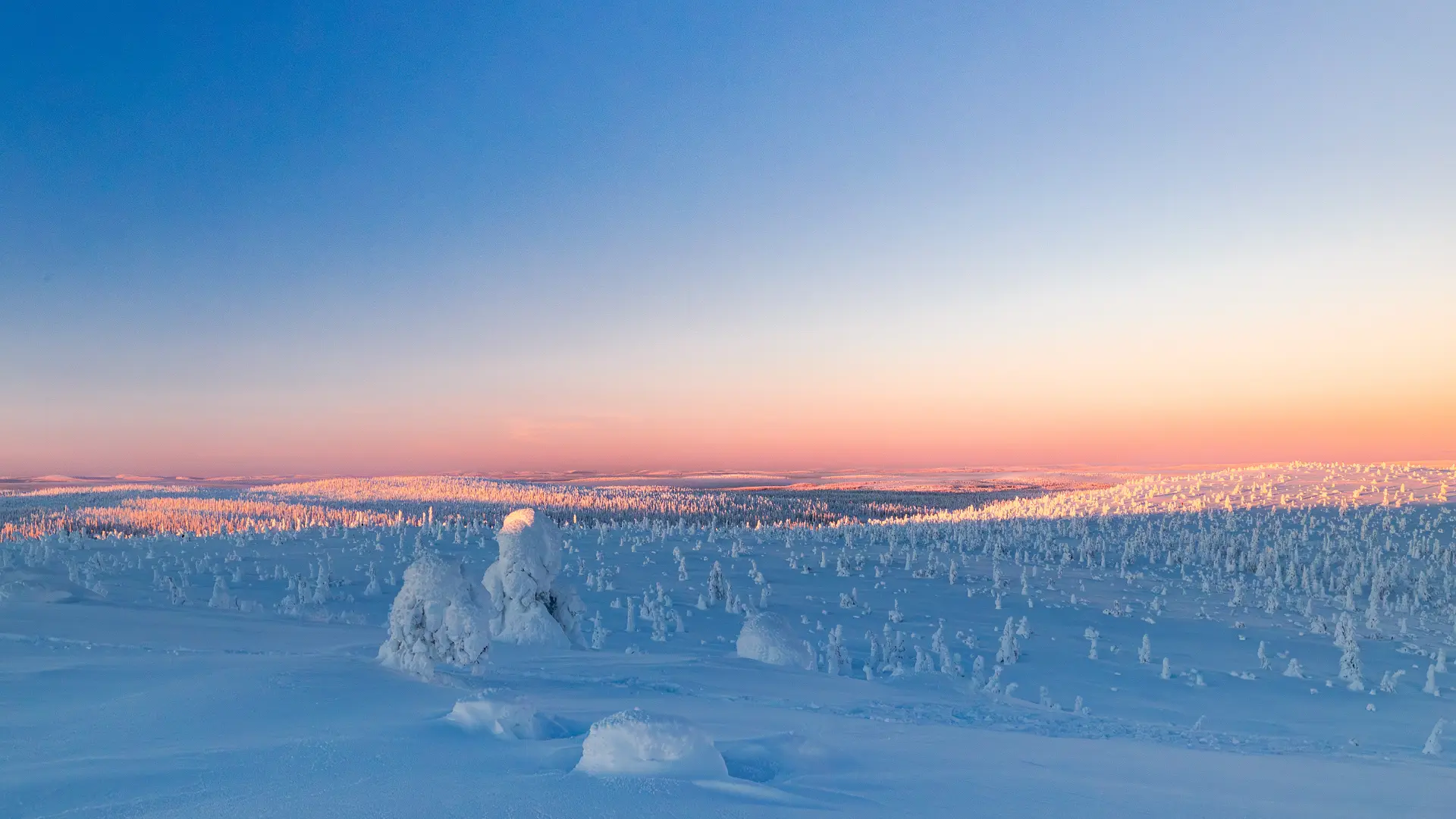
Many travellers search for “Lapland” when planning a trip to the far north of Europe. The reality, however, is more layered than the name suggests. Lapland is not a single place, nor is it defined by one country or one type of landscape. Stretching across northern Norway, Sweden, Finland, and Russia, this far northern region is characterised by its climate, remoteness, and strong seasonal contrasts.
Rather than a destination with clear borders, Lapland is best understood as a shared northern space. Towns are few and far between, infrastructure thins quickly outside population centres, and nature remains the dominant presence across much of the region. While Lapland extends into Russia on the Kola Peninsula, most travellers explore the Scandinavian part of the region, where access, infrastructure, and practical travel information are more readily available.
Lapland, Sápmi, and the Sámi people
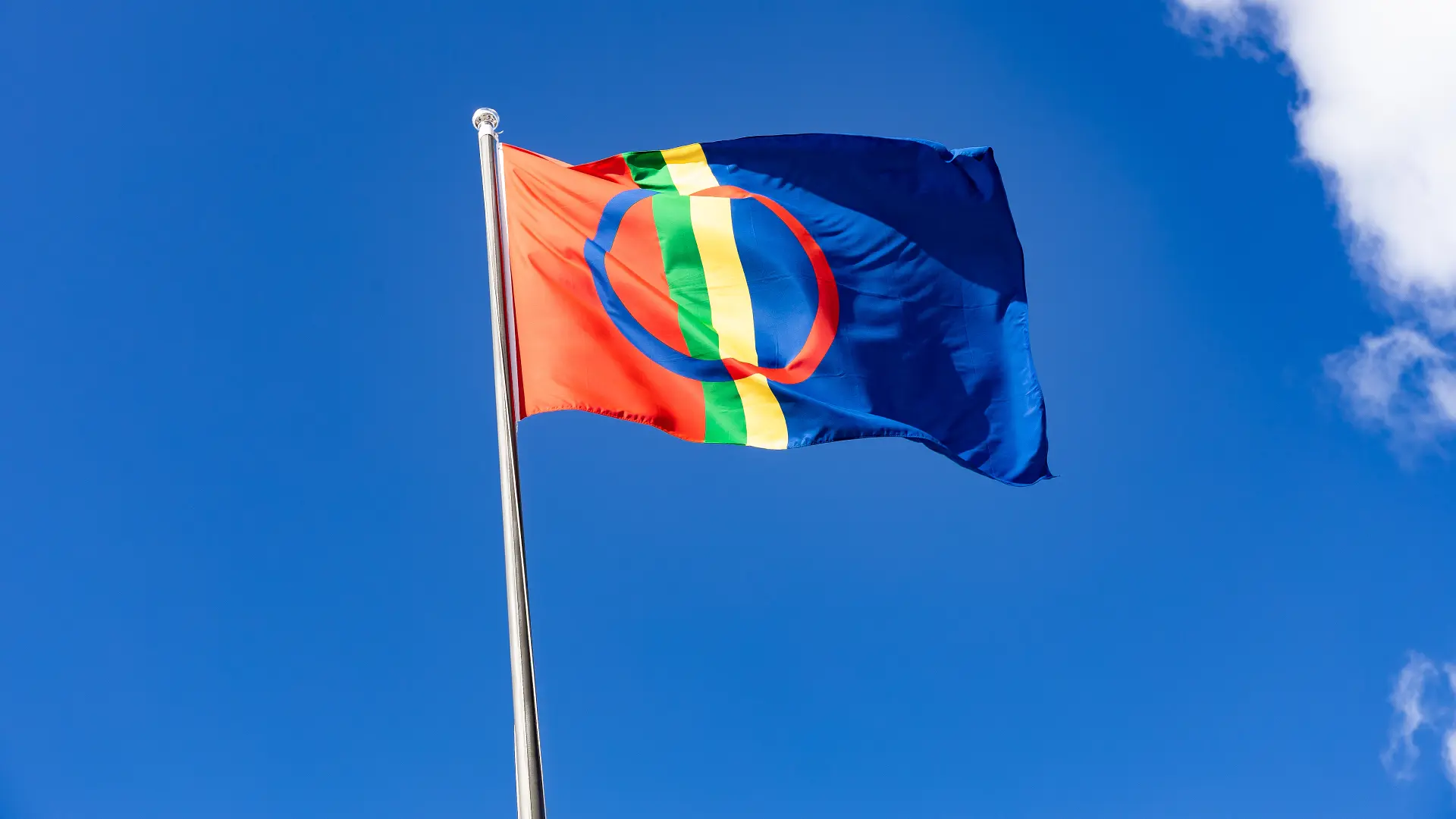
What is commonly referred to as Lapland overlaps significantly with Sápmi, the traditional homeland of the Indigenous Sámi people. Sápmi extends across northern Norway, Sweden, and Finland, and continues east into the Kola Peninsula in Russia. Unlike modern administrative regions, it is not defined by national borders.
While today’s maps divide the north into Finnish, Swedish, Norwegian, and Russian Lapland, Sámi culture, language, and land use have always extended across these boundaries. Visitors can learn about Sámi traditions in places such as Inari, Jokkmokk, or Karasjok, all of which have long served as cultural centres within Sápmi.
Is “Lapland” a derogatory term?
The word “Lapland” derives from the term “Lapp,” a historical label used by outsiders to describe the Sámi. Today, this term is widely considered outdated and, for many Sámi people, insensitive.
When referring to Indigenous culture, history, or land, Sápmi is the appropriate and respectful term. In tourism and administrative contexts, however, “Lapland” remains commonly used to describe the wider northern region. Understanding this distinction helps avoid misunderstandings and reflects awareness of the area’s cultural history.
Geography and Scale of Lapland
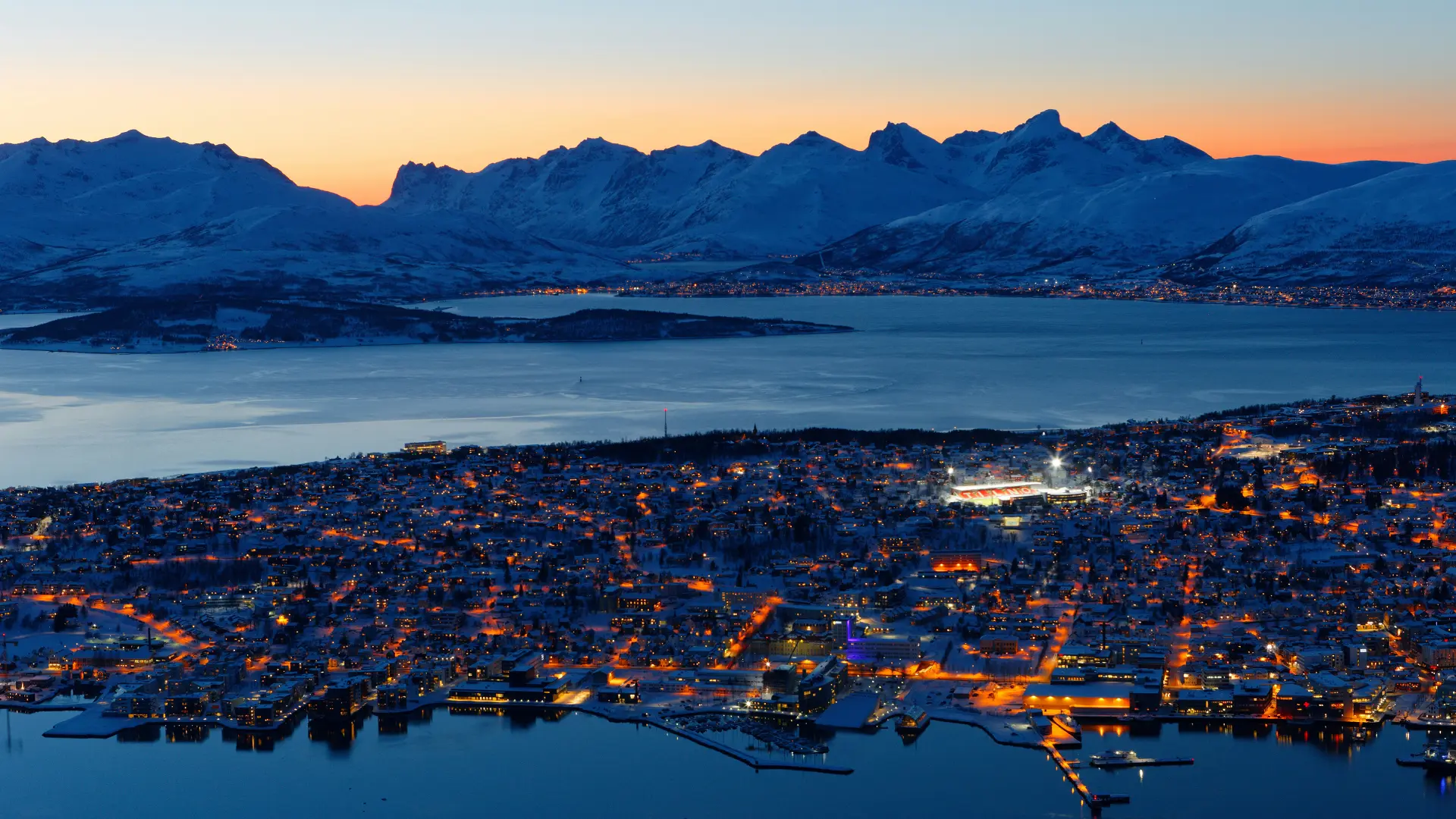
Lapland covers a vast area north of the Arctic Circle, extending from inland Finland and Sweden to the mountainous and coastal regions of northern Norway and, further east, into Russia. Despite being divided between countries, the region shares many physical characteristics, including boreal forests, open plateaus, wetlands, rivers, and mountain landscapes. Settlement is sparse across much of the area, and outside towns, the environment quickly becomes remote.
Most visitors experience Lapland through a small number of towns that serve as gateways to the wider region. In Finland, Rovaniemi functions as a common starting point for travel deeper into the north. In Norway, Tromsø combines Arctic access with a relatively large population and strong transport links. Swedish Lapland is anchored by towns such as Kiruna, known for its mining history and proximity to national parks, and Jokkmokk, which remains an important cultural centre within Sápmi.
Beyond these settlements, infrastructure quickly becomes limited. Distances between towns increase, services are fewer, and travel requires planning, especially during winter when conditions can affect roads and schedules.
Lapland’s Climate and Seasons
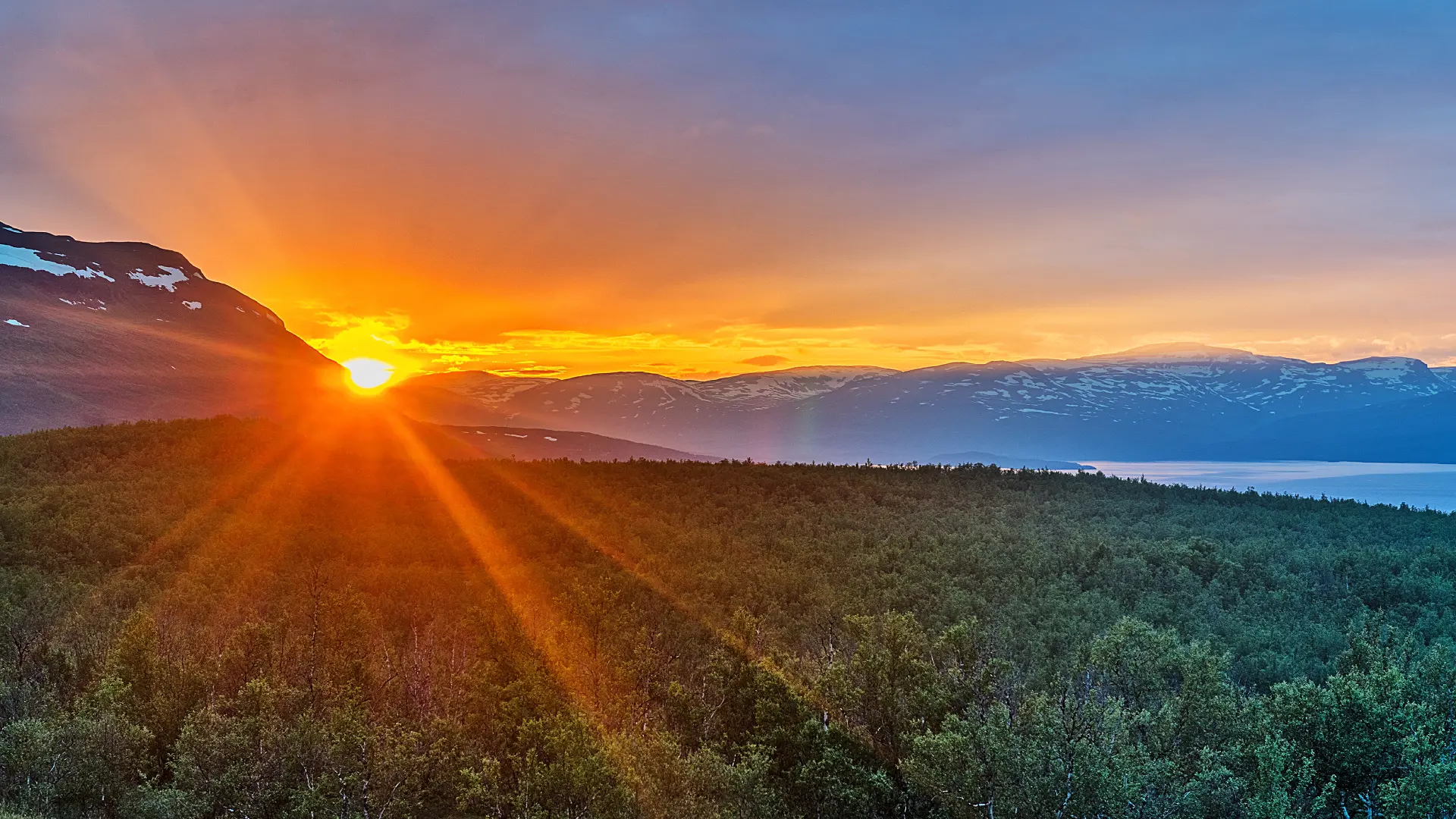
Lapland’s climate is defined primarily by latitude, but conditions vary noticeably between countries and landscapes. Inland areas of Finnish and Swedish Lapland tend to have a more continental climate, with colder winter temperatures and relatively warm summer days. Snow cover is usually reliable from late autumn through spring, and winters are long and stable.
Northern Norway follows a different pattern. Coastal areas are influenced by the North Atlantic, resulting in milder winter temperatures and more variable weather, with frequent snowfall, wind, and rapid changes in conditions. Mountain regions further inland can experience colder and harsher winters, closer to those found in Sweden and Finland.
Across the region, seasonal transitions are short. Summer brings extended daylight and, in many areas, the midnight sun, while winter is marked by limited daylight or polar night. These extremes affect daily routines, travel conditions, and the types of activities possible at different times of year.
Wilderness and Protected Areas of Lapland
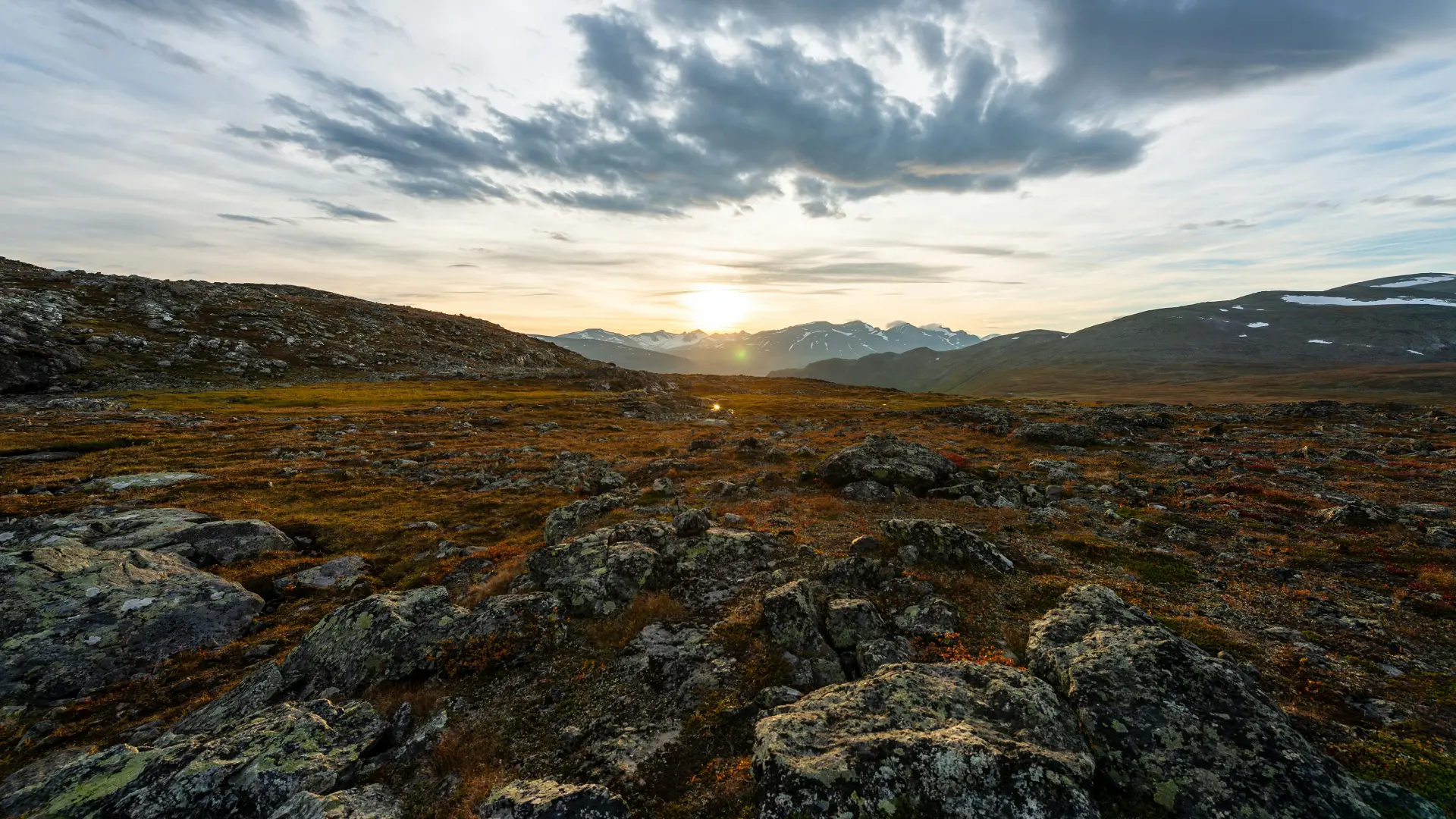
Large parts of Lapland are protected through national parks and nature reserves, reflecting both ecological value and long-standing land use. In Swedish Lapland, some of the most extensive and least modified protected landscapes in Europe are found within the Laponia area, a UNESCO World Heritage Site recognised for both its natural environment and its cultural significance.
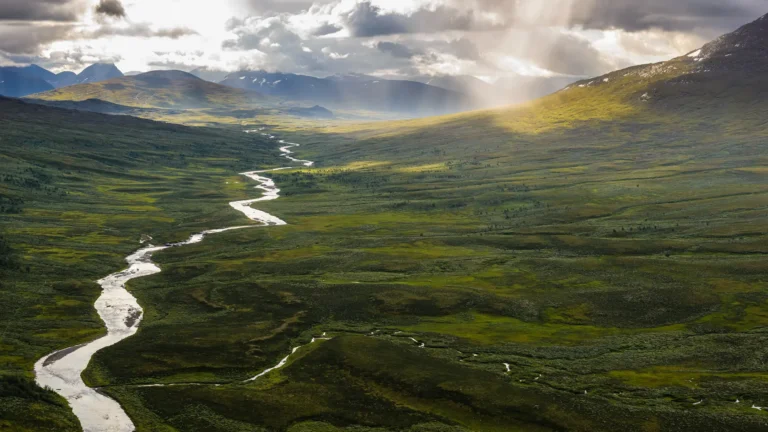
Laponia covers a vast mountainous region in northern Sweden and includes national parks such as Sarek, Padjelanta, Stora Sjöfallet, and Muddus, as well as large nature reserves. The area is characterised by high mountain plateaus, deep river valleys, wetlands, and lakes. Much of the area has been protected since the early twentieth century, and today over 95% of Laponia is formally protected as a national park or nature reserve.
Sarek National Park forms the core of this landscape and is often considered one of Europe’s last remaining wilderness areas. It is known for its rugged terrain, unmarked routes, and lack of permanent infrastructure, making it one of the most demanding protected areas to travel through. Unlike many national parks, Sarek has no maintained trails or facilities, and travel requires experience, navigation skills, and self-sufficiency.
A defining feature of Laponia is that it remains a living cultural landscape. The area is still used by Sámi communities for reindeer herding, and its World Heritage status reflects the interaction between people and the landscape.
Beyond Sweden, Finland’s Lapland includes extensive wilderness areas and national parks that provide access to forests and fells, often with marked trails and huts. Northern Norway combines mountain terrain with a long, fragmented coastline, where protected areas extend from inland plateaus to fjords and islands. On the Russian side of Lapland, large wilderness areas also exist, though they are less accessible to most travellers.
Together, these protected landscapes form the backbone of outdoor travel in Lapland and play a central role in activities such as hiking, wildlife observation, and long-distance journeys.
Ways to Experience Lapland
Experiences in Lapland are closely tied to season and landscape. During summer and early autumn, hiking and trekking allow access to both marked and unmarked routes across national parks, wilderness areas, and open mountain terrain. Trails range from well-maintained paths near settlements to remote routes where navigation skills and self-sufficiency are essential.
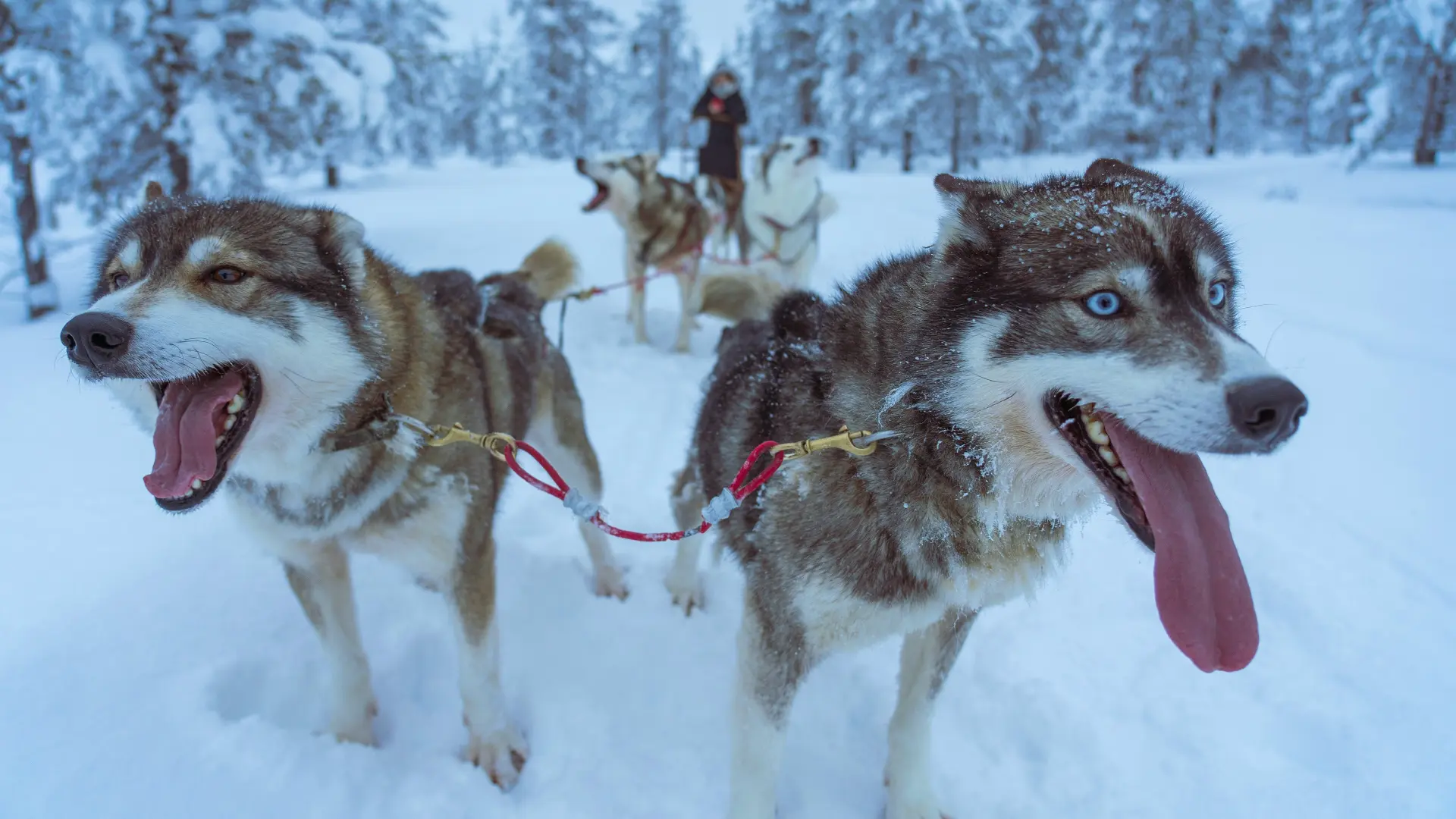
Winter transforms the region entirely. Snow cover enables activities such as cross-country skiing, snowshoeing, dog sledding, and snowmobiling, while frozen lakes and rivers open routes that do not exist at other times of year. These conditions influence how people move through the landscape and determine which areas are accessible.
Photography reflects these seasonal shifts throughout the year, from summer landscapes under constant daylight to winter scenes defined by snow, low sun angles, and northern lights. Cultural experiences, including Sámi heritage sites, reindeer parks, seasonal markets, and local museums, add further context and help place the landscape within a longer human history.
Planning Expectations
Travel in Lapland requires realistic expectations and a degree of flexibility. Distances are long, services are limited outside towns, and weather conditions can change quickly. Even well-planned routes may take longer than expected, particularly in winter when snowfall, wind, and reduced visibility affect road conditions and transport schedules.
Preparation plays a larger role here than in many other parts of the Nordic region. Understanding seasonal conditions, daylight variation, and regional differences helps avoid unnecessary difficulties and allows trips to be planned more safely and realistically.
A Note from Experience
Road closures in Lapland are not unusual, and alternative routes may not exist. During a winter trip based in Björkliden in northern Sweden, we drove across the border into Norway despite warning signs about possible queues and without fully checking the weather forecast. Heavy snowfall developed quickly, visibility dropped to only a few metres, and although conditions later improved, the mountain road near Riksgränsen was closed on the return journey.
With no detour available, traffic was stopped entirely, and we spent the night in the car. The route reopened the following morning with escorted driving behind a snowplough. The closure caused us to miss our flight home and required last-minute rebooking. Situations like this illustrate how quickly conditions can change, particularly on exposed mountain roads in winter.
In summary
Lapland is a vast northern region spanning Norway, Sweden, Finland, and Russia, defined by climate, distance, and strong seasonal contrasts. It overlaps with Sápmi, the traditional homeland of the Sámi people, and is best understood as a shared geographic and cultural space rather than a single destination.
Whether approached through travel, outdoor activities, photography, or cultural exploration, Lapland rewards those who take the time to understand its scale and conditions. This overview provides a foundation for understanding the region before exploring it in more detail.